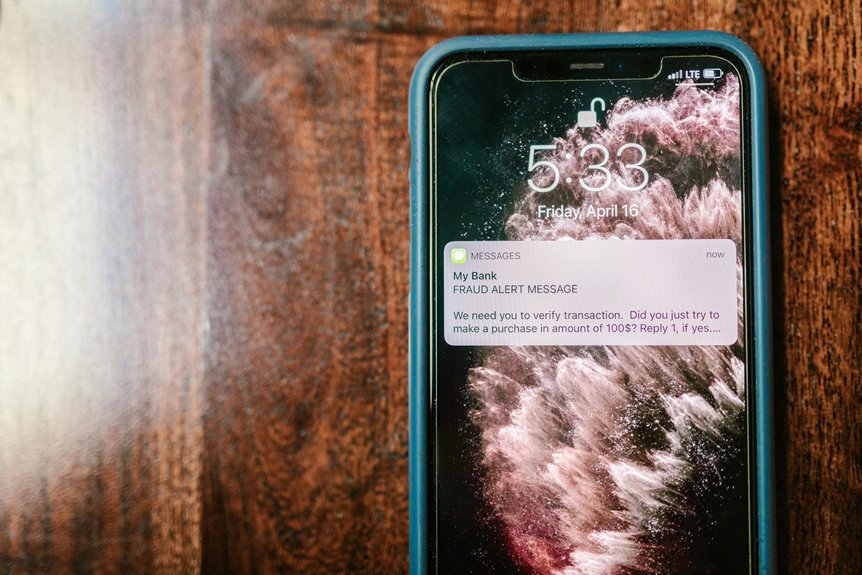
Imagine receiving a call from 201.462.3963, where the caller claims to be from your bank, urgently needing personal information to prevent fraud. This scenario highlights just one of the many tactics scammers use to exploit unsuspecting victims. As phone fraud becomes increasingly sophisticated, it’s essential to understand how these schemes operate and what steps you can take to safeguard yourself. So, what should you be aware of when answering unknown calls?
Understanding Phone Scams
How can you recognize a phone scam before it’s too late? Start by recognizing red flags, such as unsolicited calls from unknown numbers.
When identifying callers, pay attention to high-pressure tactics or requests for personal information. Scammers often create a sense of urgency, making you feel compelled to respond quickly.
Stay vigilant and trust your instincts; your freedom from fraud depends on it.
Common Tactics Used by Scammers
While you might think you can spot a scam easily, scammers employ a variety of sophisticated tactics designed to manipulate and deceive.
They often use Caller ID spoofing to make their numbers appear legitimate.
Additionally, impersonation tactics allow them to pose as trusted entities, creating a false sense of security.
Being aware of these strategies can help you stay vigilant and protect your personal information.
How to Protect Yourself From Phone Fraud
Recognizing the tactics scammers use is the first step in safeguarding yourself from phone fraud.
Implement preventive measures like screening calls and using call-blocking apps. Stay informed about common scams and trust your instincts; if something feels off, don’t hesitate to hang up.
Reporting scams to authorities not only aids investigations but also helps protect others from falling victim.
What to Do if You Suspect a Scam
If you suspect a scam, acting quickly and decisively is crucial to protect yourself and your personal information.
Start by documenting details about the call and the caller. Report scams to local authorities or consumer protection agencies to help identify scammers.
Block the number and warn others if necessary. Taking these steps empowers you and contributes to a safer community.
Conclusion
In conclusion, staying alert, staying informed, and staying proactive are your best defenses against phone fraud. By recognizing common scams, reporting suspicious numbers, and trusting your instincts, you can protect yourself and others from potential threats. Remember, vigilance is key, awareness is essential, and action is crucial. Don’t let scammers take advantage of your trust—empower yourself with knowledge and take a stand against phone fraud. Together, we can create a safer community for everyone.