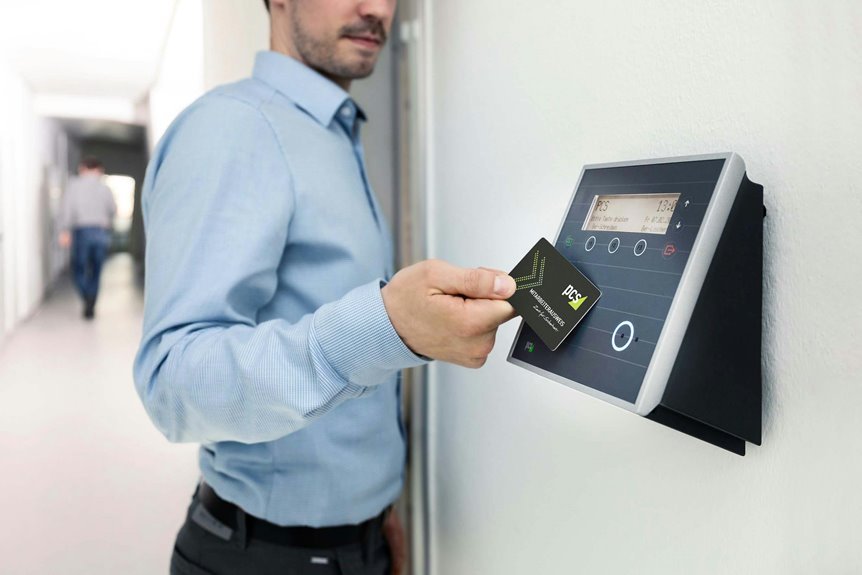
You might think that numbers like 866-393-2109 and others are harmless, but protecting your personal information is crucial. It’s easy to overlook security when you’re busy, but a few simple steps can significantly reduce your risk. By verifying sources, using secure channels, and staying informed about scams, you can safeguard your data effectively. Discover how these practices can create a more secure environment for your communications.
Verify the Source Before Sharing Information
How can you ensure the information you share is accurate and trustworthy?
Start with source verification. Before sharing, check the credibility of the source. Look for established authors, reputable organizations, and corroborating evidence.
This diligence in information sharing not only protects you but also upholds the integrity of communication.
Use Secure Communication Channels
Although convenience often tempts you to use standard messaging apps, opting for secure communication channels is essential for protecting your sensitive information.
Utilize secure messaging platforms that offer end-to-end encryption to safeguard your conversations.
Additionally, prefer encrypted calls over traditional phone lines to prevent eavesdropping.
Monitor Your Accounts Regularly
Regularly monitoring your accounts is crucial for identifying unauthorized activity and protecting your financial assets.
Use account tracking tools and set up transaction alerts to stay informed about your financial movements.
By reviewing your statements frequently, you’ll spot discrepancies early, allowing you to act swiftly.
Prioritizing this practice empowers you to maintain control over your finances and safeguard your freedom.
Stay Informed About Common Scams
Staying informed about common scams is essential because awareness can significantly reduce your risk of falling victim to fraud.
Enhance your phishing awareness by regularly reviewing resources on scam identification. Familiarize yourself with common tactics, such as unsolicited emails or calls asking for personal information.
Conclusion
In the ever-evolving digital landscape, think of your personal information as a precious gem—valuable and deserving of protection. By verifying sources before sharing, using secure channels, monitoring your accounts, and staying informed about scams, you create a fortress around your data. Each precaution you take is a brick in that fortress, safeguarding your digital identity. Stay vigilant, and encourage others to do the same; together, we can illuminate the shadows where threats lurk, ensuring a safer online experience for all.